Get guidance on copyright, trademark, and IP disputes.
Copyright Claims Board Guidance for Creators, Brands, and Businesses
The Copyright Claims Board offers a more streamlined forum for certain copyright disputes. For businesses, creators, agencies, and brand owners, understanding the process before filing or responding can help avoid costly mistakes.
This guide explains the key stages of the CCB process, the types of claims that may qualify, and when it may make sense to speak with an intellectual property attorney.
1. A Smarter Way to Approach Copyright Disputes
Not every copyright dispute needs to begin in federal court. If your work was copied, your business received a copyright violation notice, or you are evaluating whether to file a Copyright Claims Board claim, the first question is strategic: what path gives you the strongest practical outcome?
The Copyright Claims Board may help resolve certain lower-value copyright infringement disputes more efficiently than traditional litigation. But it is not right for every matter. Some claims may be better handled through a DMCA claim, direct settlement, platform complaint, demand letter, or lawsuit for copyright infringement.
Filing a CCB claim may make sense when the dispute is real, the damages are meaningful but limited, and the parties would benefit from a more streamlined process.
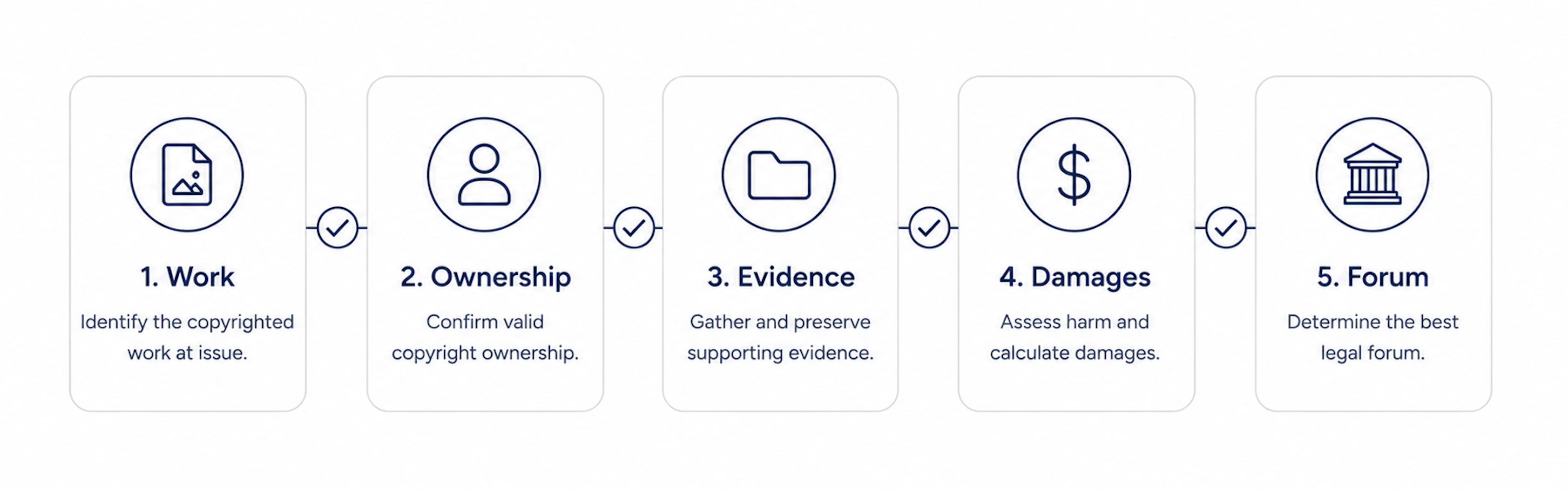
Before filing, evaluate ownership, copyright registration, evidence, damages, possible defenses, and whether the respondent is likely to participate or opt out.
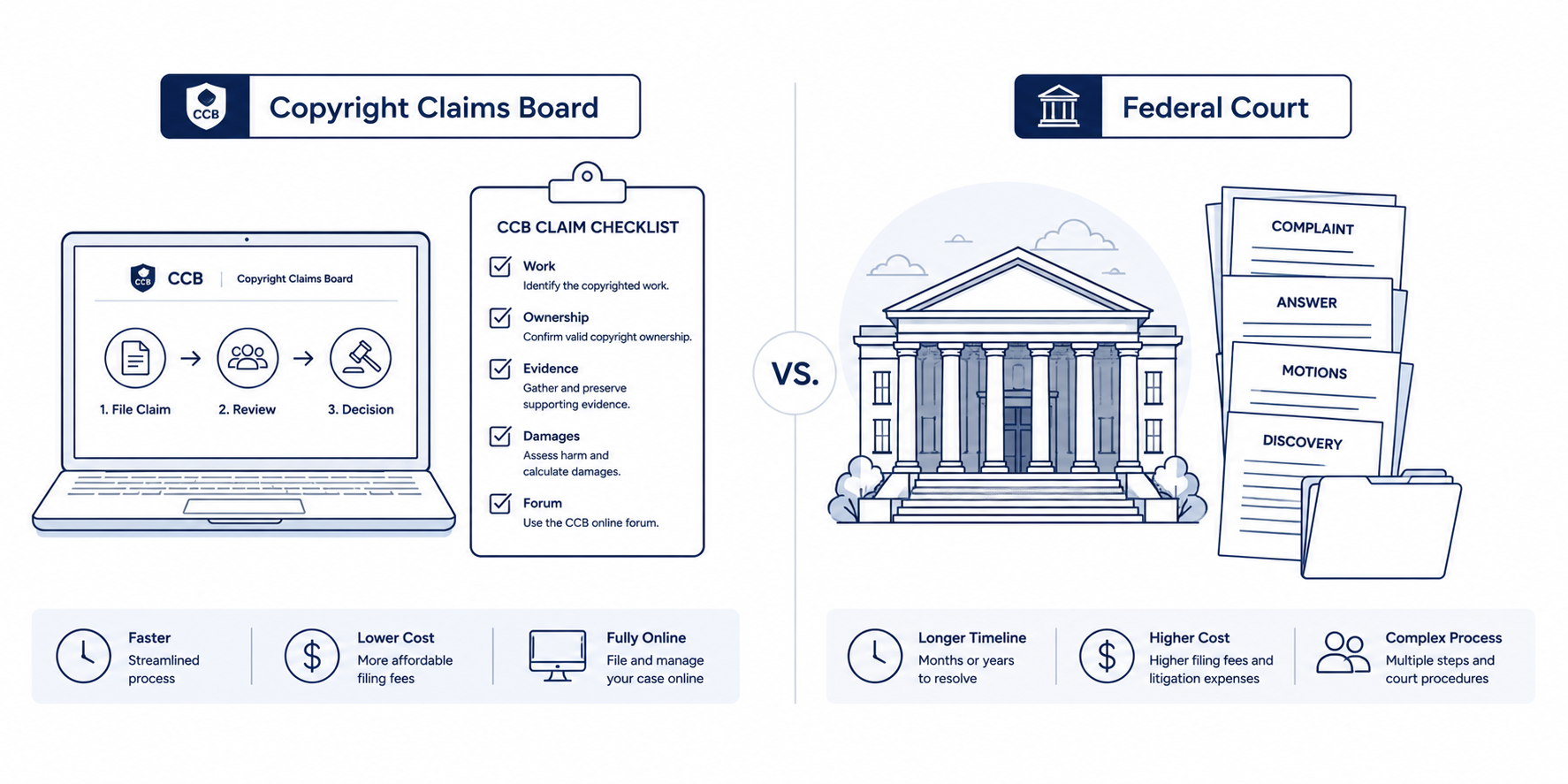
The CCB is designed to be more accessible and streamlined than federal litigation. A lawsuit for copyright infringement may offer stronger tools, broader discovery, larger damages, and more formal court procedures.
The right choice depends on the size of the claim, complexity of the dispute, available evidence, business risk, and desired outcome.
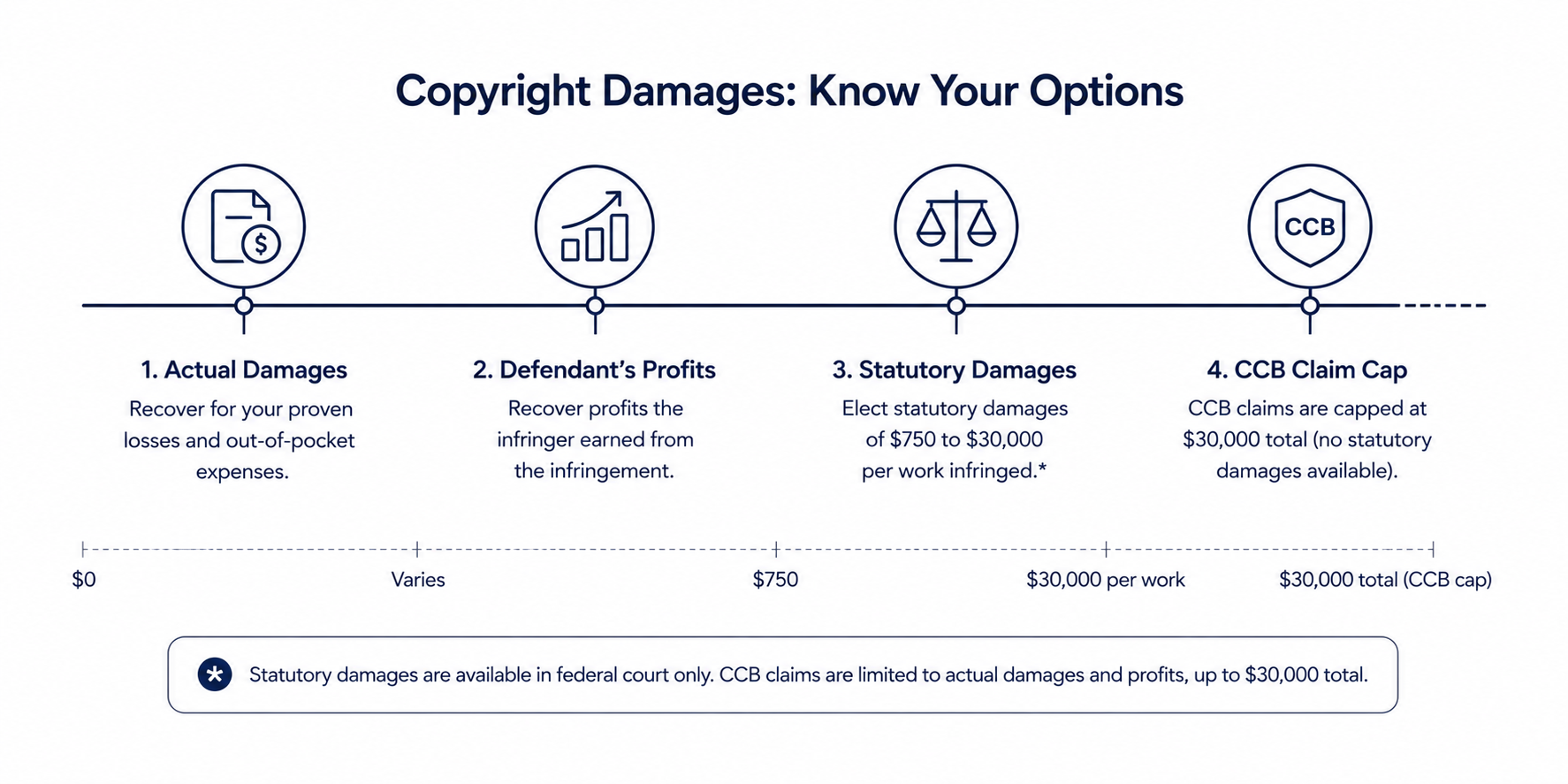
Copyright infringement damages often determine the value and direction of the case. A copyright owner may seek actual damages, infringer profits, or copyright statutory damages depending on the facts and registration timing.
The copyright damages statute can affect leverage, settlement value, and whether the claim is economically practical. In the CCB, damages are capped, but the available recovery may still be meaningful for many creators and small businesses.
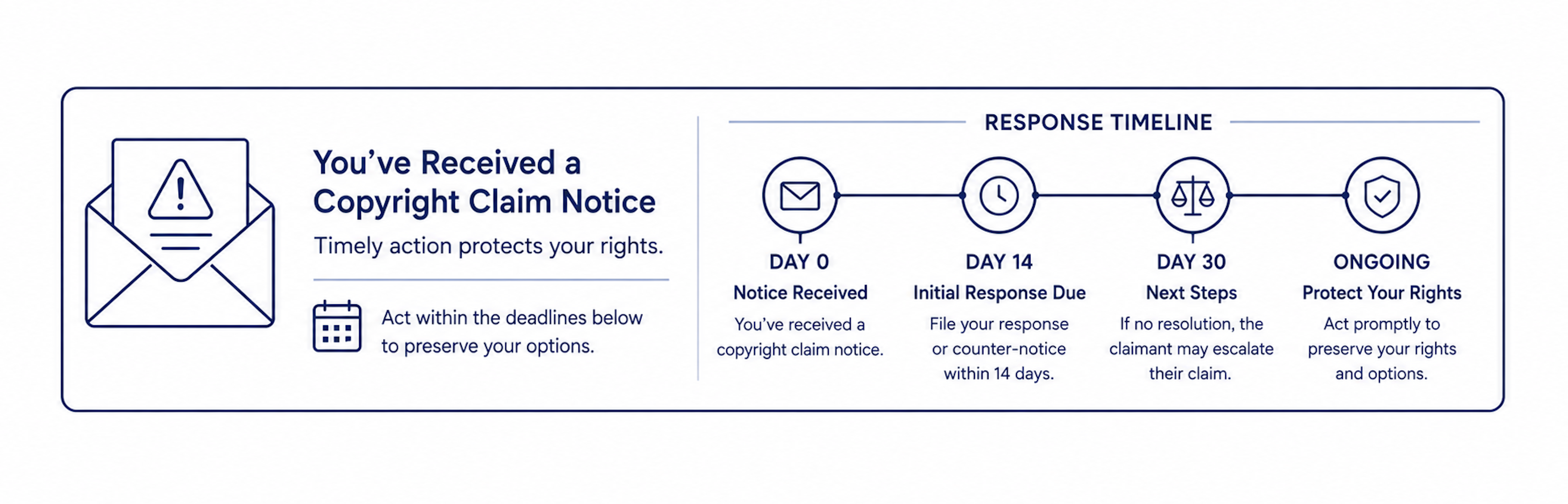
A copyright violation notice should not be ignored. It may come as a demand letter, attorney email, platform complaint, DMCA takedown notice, or formal CCB claim.
The first steps are to preserve evidence, avoid unnecessary admissions, identify deadlines, and evaluate whether to respond, negotiate, participate, opt out, or prepare a defense.
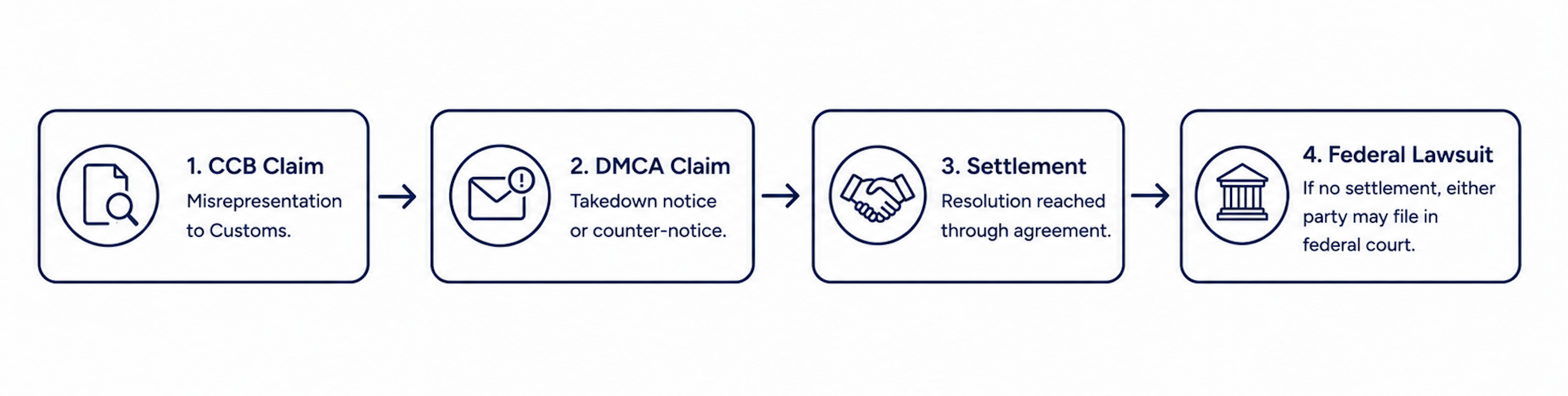
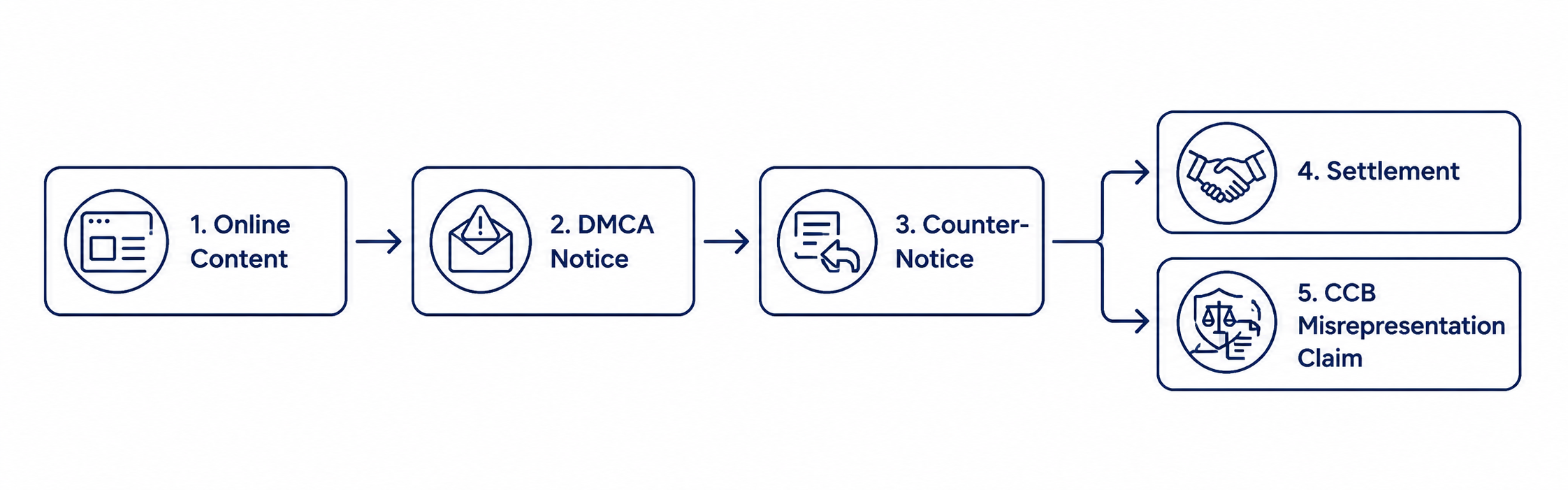
A DMCA claim is not the same as a CCB case. A DMCA takedown is usually focused on removing online content from a website, marketplace, hosting provider, or social platform.
A CCB claim is a formal proceeding that may seek monetary relief. The two can overlap when a party claims that a DMCA notice or counter-notice included a misrepresentation.
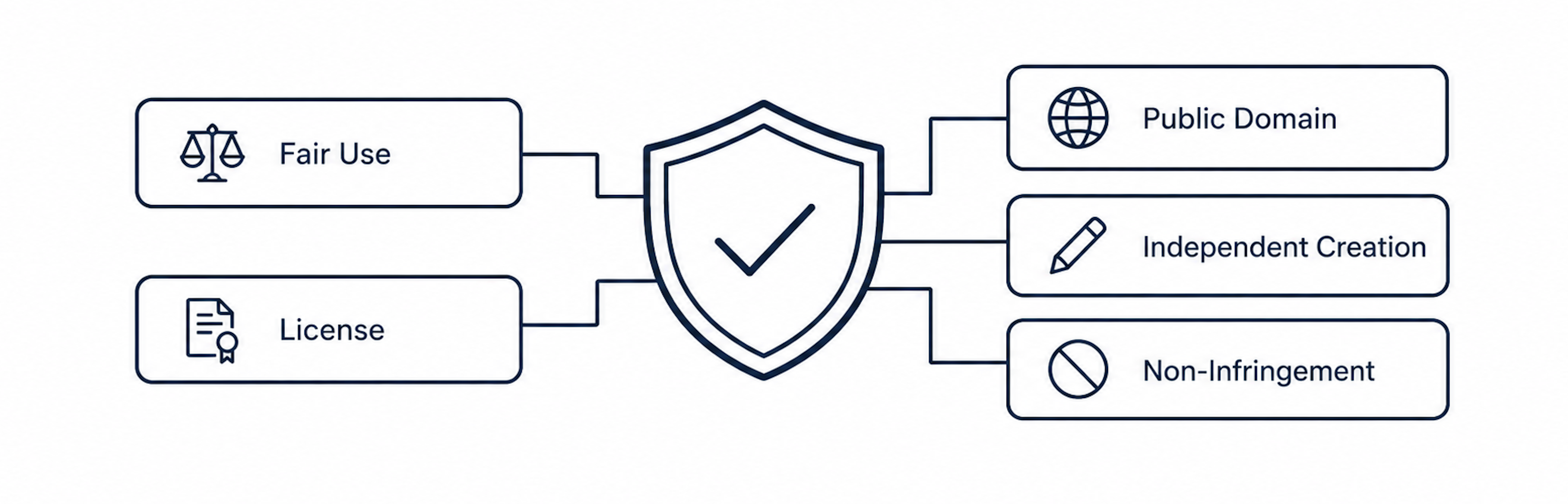
Not every copyright accusation is valid. A respondent may have defenses based on non-infringement, license, fair use, public domain, independent creation, lack of substantial similarity, registration issues, or damages limitations.
A common phrase online is no copyright infringement is intended. That statement alone is not a legal defense. The stronger question is whether the accused use actually violates protected rights.
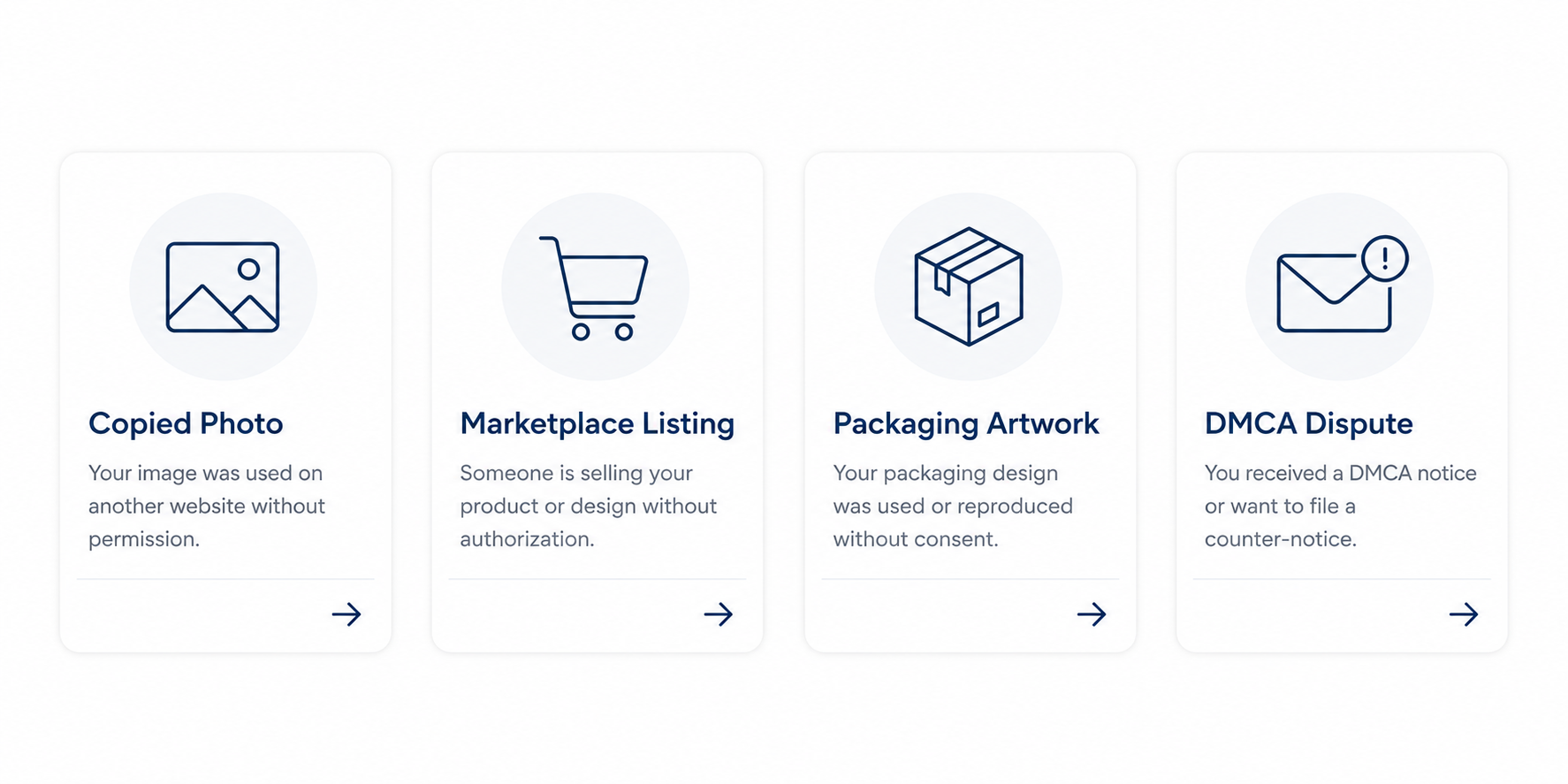
The CCB may apply to practical disputes involving copied product photos, reused website content, unlicensed video clips, packaging artwork, advertising assets, online listings, or digital content copied by a competitor.
Recent copyright infringement cases can be useful for understanding trends, but the right strategy should be based on the specific facts, evidence, damages, and business goals.
Cohn Legal, PLLC helps clients evaluate copyright infringement claims with a practical understanding of both legal rights and business realities.
The firm can help determine whether to file a CCB claim, respond to a copyright violation notice, send a demand letter, evaluate damages, prepare a DMCA strategy, negotiate a settlement, or consider a federal lawsuit for copyright infringement.
Is the Copyright Claims Board the same as the copyright claim board?
Many users search for copyright claim board, but the official name is the Copyright Claims Board.
Can I recover copyright infringement damages through the CCB?
Eligible claims may seek monetary relief, but damages in the CCB are capped.
Are copyright statutory damages available in every case?
No. Statutory damages depend on several factors, including registration timing and the forum.
Is no copyright infringement is intended a defense?
No. That phrase alone is not a legal defense. The better question is whether the use actually infringes protected rights or whether a defense applies.
Is a DMCA claim the same as a CCB claim?
No. A DMCA claim is often focused on online takedown activity. A CCB claim is a formal proceeding before the Copyright Claims Board.
What should I do if I receive a copyright violation notice?
Do not ignore it. Preserve evidence, avoid unnecessary admissions, review deadlines, and speak with a copyright attorney before responding.
Can I file a claim if someone used my copyrighted work on eBay?
Possibly. Depending on the facts, options may include a platform complaint, DMCA notice, demand letter, CCB claim, or lawsuit for copyright infringement.
Do I need a copyright infringement lawyer near me?
Copyright matters can often be handled remotely, but you should work with an attorney who understands copyright enforcement, damages, DMCA issues, and CCB strategy.
Need help with a copyright dispute?
Speak with Cohn Legal about your copyright, trademark, or intellectual property strategy.